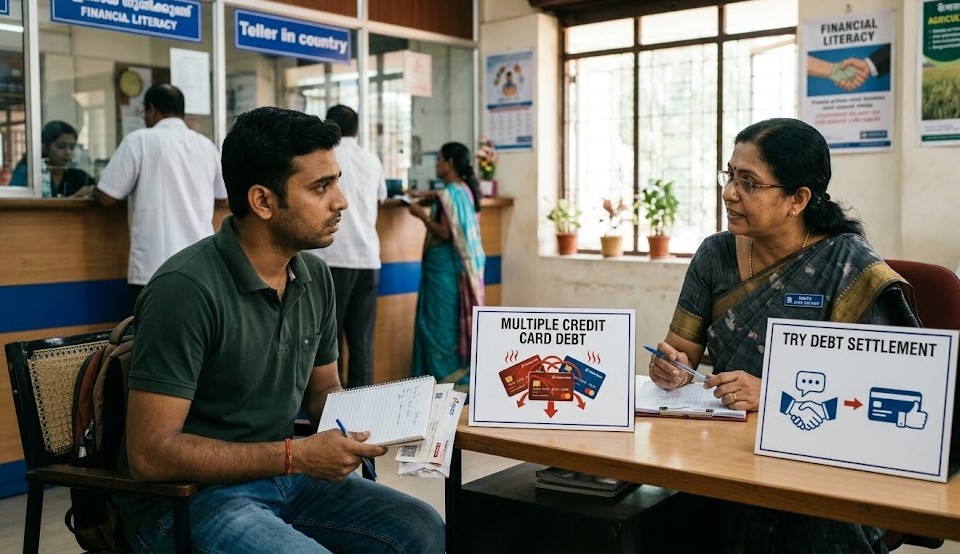

Managing a single credit card is a responsibility; managing multiple credit cards can quickly become a nightmare. In India, it is common for individuals to hold three or four cards from different banks, using one to pay the “minimum amount due” on another. This “robbing Peter to pay Paul” strategy is a recipe for a debt trap. Before you know it, the combined interest rates—often exceeding 40% per annum—and late fees create a mountain of debt that is impossible to climb.
If you are jugging multiple bills and facing relentless recovery calls, it is time to look at a sustainable credit card debt relief strategy. For many, the most effective path forward is debt settlement India. At Legal Settle, we help borrowers consolidate their focus and negotiate with multiple lenders to reach a final, manageable resolution.
The Danger of Multiple Credit Card Defaults
When you default on multiple cards, you aren’t just fighting one bank; you are fighting several different recovery departments, each with its own set of tactics. Your credit score takes a multi-pronged hit, and the mental stress of handling different sets of collection agents can be paralyzing.
The biggest risk of multiple defaults is the “cross-default” impact, where one bank’s aggressive legal action can trigger complications for your other financial accounts. This is why seeking a professional credit card debt relief plan is better than trying to ignore the problem. A structured settlement allows you to address each debt individually but under a unified strategy.
How Settlement Provides a Way Out
Since credit cards are unsecured, banks have no collateral to fall back on. When they see a borrower with multiple defaults, they realize that their chances of recovering the full amount are slim. This creates a window of opportunity for debt settlement India.
In a settlement, you negotiate with each bank to pay a one-time lump sum that is significantly lower than the total outstanding.
- Waiver of Interest: Banks are usually willing to waive 100% of the accumulated penal interest and a large portion of the regular interest.
- Principal Haircut: If the debt has been outstanding for more than six months, you can often negotiate a reduction in the original principal amount as well. This approach provides immediate credit card debt relief by slashing your total liability by 40% to 60%.
Prioritizing Your Settlements
When dealing with multiple banks, you cannot always settle everything at once. A smart debt settlement India strategy involves prioritizing banks based on their aggression and the age of the debt.
- Oldest Debts First: Loans that have been in default longer are easier to settle for deep discounts.
- High-Interest Cards: Settle the cards with the highest interest rates first to stop the total debt from ballooning further.
- Smallest Balances: Sometimes, settling a small card first provides a “quick win” and frees up mental energy to focus on the larger negotiations.
The CIBIL Reality for Multiple Settled Accounts
It is important to understand that settling multiple credit cards will lead to multiple “Settled” entries on your CIBIL report. While this is not as ideal as “Closed,” it is a far better credit card debt relief outcome than having multiple “Active Defaults.”
An active default grows every month and keeps your score in the basement indefinitely. A settlement stops the bleeding. Once all accounts are settled, you can begin a unified credit-rebuilding process. Over time, as you manage your remaining finances responsibly, the negative impact of the settlements will diminish.
Why Professional Intervention is Vital
Negotiating with three or four different banks simultaneously is a full-time job that requires legal expertise and nerves of steel. Each bank has different “waiver slabs” and internal policies. If you settle one card for 50% but another bank demands 80%, you need to know how to push back using RBI guidelines and hardship documentation.
By choosing Legal Settle for your debt settlement India journey, you gain a shield. We handle the heavy lifting of communication, ensure the settlement letters are legally valid, and help you allocate your available funds to get the maximum possible debt reduction across all your cards.
Conclusion
Multiple credit card debts can feel like a prison, but the doors are not locked. A structured settlement is the key to your freedom. By addressing each debt head-on and negotiating for a fair reduction, you can end the cycle of interest and start your journey back to financial health.