
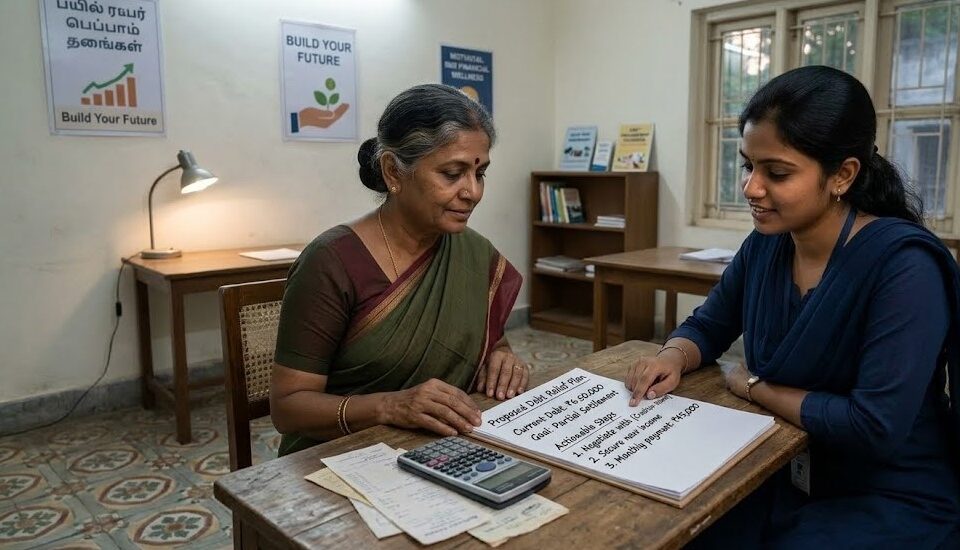

When you are drowning in debt, the biggest question on your mind is usually: “How much of this can I actually get waived off?” While banks aren’t in the business of losing money, they are in the business of managing risk. If they realize that recovering 100% of a debt is impossible, they prefer getting a bird in the hand rather than two in the bush.
At Legal Settle, we help borrowers understand the mathematics of debt. Knowing the typical loan settlement reduction percentages can help you enter negotiations with realistic expectations and a firm hand.
The Realistic Range of Reductions
In the Indian banking landscape, a loan settlement reduction can vary significantly based on the type of loan and the age of the default.
- Unsecured Loans (Credit Cards/Personal Loans): These carry the highest potential for reduction. Since there is no collateral to seize, banks are often willing to settle for 30% to 50% of the total outstanding amount. In extreme cases of long-term defaults, this can even go lower.
- Secured Loans (Home/Car Loans): Reductions here are much smaller because the bank can auction your property. However, if the property value has depreciated or there are legal hurdles in the auction, you might still settle loan amount for a waiver on the penal interest and a small portion of the principal.
Factors That Influence Your Discount
The “discount” isn’t a fixed number; it is a variable influenced by your specific circumstances.
1. The “NPA” Category
Banks categorize defaults into “Standard,” “Sub-standard,” “Doubtful,” and “Loss” assets. The longer your loan remains unpaid, the more “toxic” it becomes for the bank’s balance sheet. A “Doubtful” asset (unpaid for over 12-18 months) usually qualifies for a much higher loan settlement reduction than a fresh default.
2. The Principal vs. Interest Split
When you see a large “Total Outstanding” amount, remember it consists of three parts:
- The Principal: The actual money you borrowed.
- Regular Interest: The agreed-upon percentage.
- Penal Interest/Late Fees: Charges added after you defaulted.Most banks are willing to waive 100% of the penal interest and late fees. The real negotiation is over how much of the principal and regular interest you can settle loan amount for.
3. Your Documented Hardship
If you show the bank a medical certificate, a bankruptcy filing, or proof of a closed business, their “Recovery Probability” score for you drops. When the bank’s internal software flags you as a “High-Risk/No-Asset” individual, the approved loan settlement reduction percentage automatically climbs higher.
Estimated Settlement Percentages by Loan Type
| Loan Type | Typical Settlement Range | Primary Focus of Negotiation |
| Credit Card | 25% – 40% of Outstanding | Waiving heavy compound interest |
| Personal Loan | 35% – 50% of Outstanding | Principal haircut + interest waiver |
| Business Loan | 50% – 70% of Outstanding | Dependent on business assets left |
| Microfinance/Small | 40% – 60% of Outstanding | Quick lump-sum closure |
Why a “Lump Sum” Increases Your Discount
The most effective way to settle loan amount at a deep discount is to offer a single, one-time payment. If you ask for a settlement but want to pay it in 12 monthly installments, the bank will give you a very small reduction (perhaps only 10-20%). However, if you offer to pay the entire settled amount within 7 days, you can push for a loan settlement reduction of 50% or more.
Beware of the “Settled” Status
While getting a 60% discount feels like a victory, it comes with a cost. Your CIBIL report will show “Settled” instead of “Closed.” This makes getting a new loan difficult for the next 5 to 7 years. This is why it is crucial to consult experts at Legal Settle to weigh the long-term impact against the immediate financial relief.
Conclusion
There is no “magic number” for a loan settlement, but with the right debt settlement strategy, a reduction of 40% to 60% is often achievable for unsecured debts. The key is to stay patient, document your hardships, and never accept the first offer the bank throws at you.