
Dealing with a credit card balance that has been unpaid for years can feel like a shadow hanging over your financial life. Perhaps you faced a business failure or a personal emergency years ago, and the debt was pushed to the back of your mind. However, in the world of banking, “forgotten” debt never stays truly dormant. It grows through compounded interest and penal charges, often reaching three or four times the original amount borrowed.
The good news is that a long-term loan default actually positions you for a more favorable negotiation. Banks are often eager to clear “toxic” or long-pending entries from their balance sheets to improve their financial health. Understanding how to approach a credit card debt settlement for an old account can save you a significant amount of money and finally bring you peace of mind.
At Legal Settle, we specialize in helping borrowers resolve these legacy debts by leveraging bank policies that favor the closure of old, non-performing assets.
Why Long-Term Defaults Are Easier to Settle
In the banking sector, the older a debt becomes, the less likely it is to be recovered in full. Once an account has been in a state of loan default for more than a couple of years, it is usually “written off” for accounting purposes. This doesn’t mean you are free from the debt, but it does mean the bank has already absorbed the loss internally.
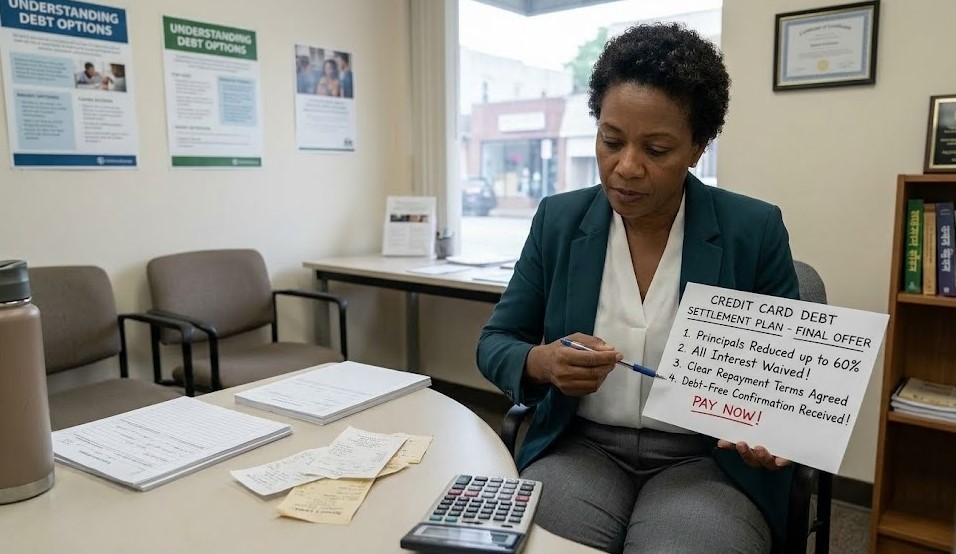
When you initiate a credit card debt settlement for a very old account, you are essentially offering the bank “found money.” Because their expectation of recovery is low, they are often willing to offer much deeper discounts—sometimes waiving up to 70% or 80% of the total outstanding amount—just to close the file and stop the administrative costs of tracking it.
The Strategy for Resolving Old Dues
The process for settling an old debt requires a specific approach to ensure you aren’t accidentally restarted on a fresh cycle of high-interest demands or harassment.
- Verify the Debt and the Holder: Over several years, banks often sell old debts to third-party collection agencies. Before you pay a single rupee, verify who currently “owns” the debt and ensure they have the legal authority to issue a “No Dues Certificate” (NDC) on behalf of the original bank.
- Focus on the Principal: For an old loan default, the “total outstanding” is mostly comprised of interest on interest. Your negotiation should focus on paying back a portion of the original principal amount while seeking a 100% waiver on all interest and penalties.
- The Power of the Lump Sum: For legacy accounts, a lump-sum payment is your strongest tool. Banks are far less likely to agree to installments for old debt; they want a clean, one-time break to finally shut the file.
Dealing with Third-Party Collection Agencies
A common challenge with old credit card dues is the aggressive nature of third-party agencies. These agencies may use high-pressure tactics to get you to acknowledge the debt or make a small “token” payment.
Be careful: making a small payment without a formal agreement can “reset” the limitation period of the debt. A crucial part of a professional credit card debt settlement is ensuring that the bank itself acknowledges the settlement and agrees to stop all collection activities once the payment is made. Never pay an agency without a formal settlement letter issued on the bank’s original letterhead.
Impact on Your Credit History
Settling a long-term loan default will update your CIBIL status from “Written-off” or “Default” to “Settled.” While “Settled” is not as perfect as “Closed,” it is a significant improvement for your financial future. An active, old default continues to drag your score down every month and prevents any new credit applications. By completing a credit card debt settlement, you put a definitive end to that downward trend.
Why Expert Guidance is Essential for Legacy Debt
When dealing with debt that is several years old, there are legal nuances to consider, such as the statute of limitations and the legality of the collection methods used. Most borrowers aren’t aware of the specific RBI guidelines that protect them in these scenarios.
By partnering with Legal Settle, you get expert negotiators who understand the internal “waiver slabs” of Indian banks. We ensure that your hardship is presented effectively and that the settlement is legally airtight, protecting you from any future claims on the same debt.
Conclusion
Old credit card debt doesn’t have to haunt you forever. With a proactive strategy and the right negotiation tactics, you can settle these dues for a fraction of the cost and regain your financial freedom. It is a practical step toward cleaning up your past and moving forward with a clean slate.